

From a nondescript shop in Portland’s Sabin neighborhood, Brooks Masten has spent more than 20 years hand-building instruments. People frequently walk by, mostly unaware that over 500 of the world’s best banjos have been crafted inside.
Masten has never needed much advertising. His reputation has traveled the old-fashioned way: from musician-to-musician, festival-to-festival, jam-to-jam.
“I just let my work and players do the speaking for me,” he said.
Masten got his start by playing clawhammer banjo in Eugene in 1992. Two years later, while visiting New Mexico, he met a stringed-instrument maker — known as a luthier — who would change the direction of his life.
Stephen Owsley Smith was making high-end instruments for prominent musicians, with some instruments selling for as much as $8,000 to $10,000. Smith had a deep appreciation for the banjo and exposed Masten to instruments and music he had never encountered before.
Masten showed Smith what he liked about the banjo and what he didn't. After spending time together, Smith delivered a prediction for Masten that proved accurate.
“You don't have to worry about buying banjos,” Masten remembers his mentor saying. “You're gonna make banjos.”
Masten soon began traveling to festivals, including gatherings in West Virginia devoted to pre-bluegrass music, and studied the instruments being played there. By then, he already had a strong sense of who the great banjo players were and what the music was supposed to sound like.
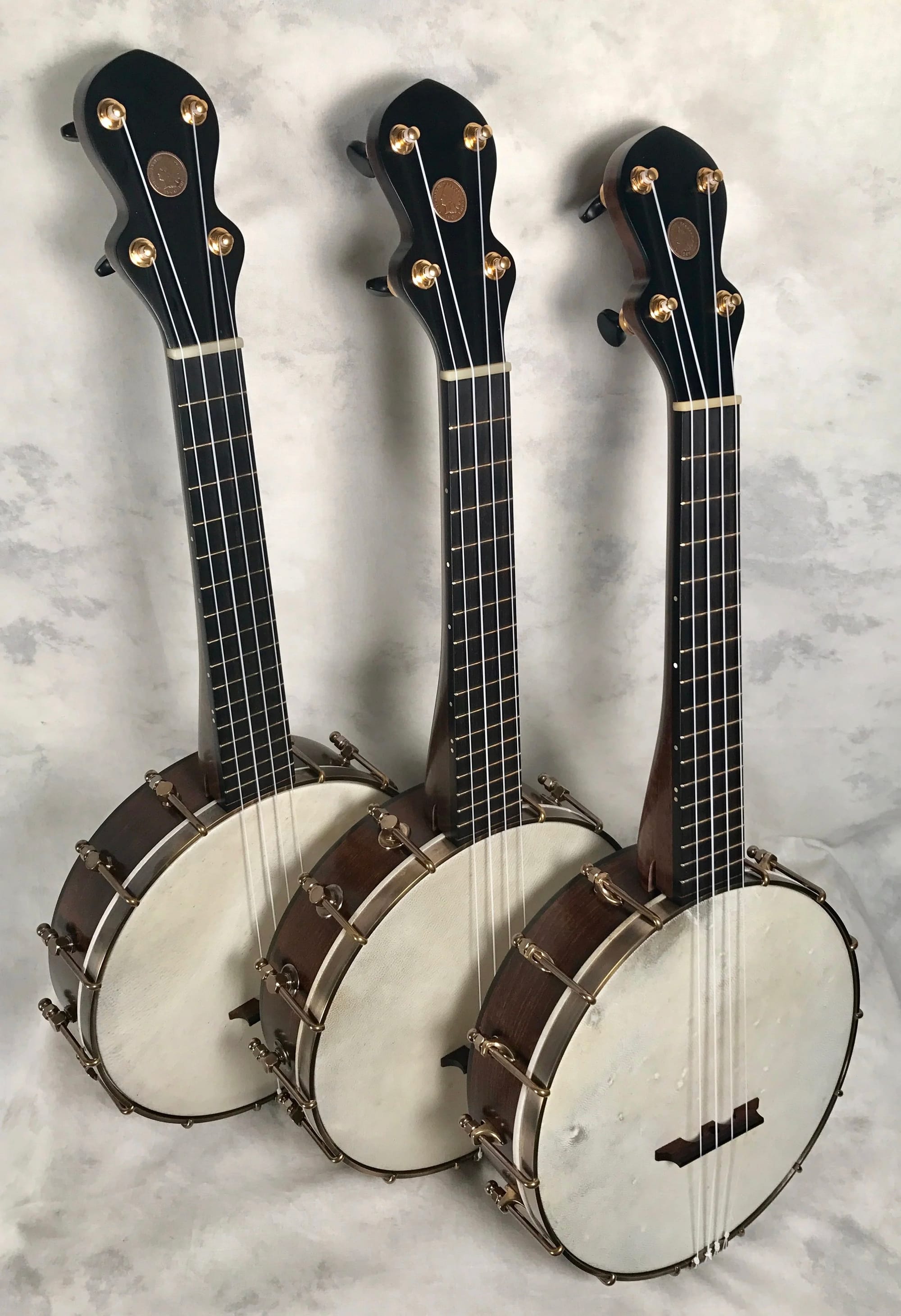
Most contemporary banjo makers, he noticed, were replicating the work of two Boston makers from the 1890s. Masten preferred banjos produced in New York in the 1880s.
“There was a simplistic elegance to them. And they sound better in my opinion,” he said.
Banjo-making begins
In 1999, Masten began making banjos.
His first 29 banjos came out of a small off-the-grid cabin and a 1959 Chevy Spartan school bus parked on his land near Taos, steaming wooden rims using wood heat or propane.
His banjos started getting rave reviews. One of his banjos appeared on a website, selling in 45 minutes.
Masten was still living in New Mexico when orders began coming in from Portland and elsewhere. In 2001, a Portland banjo player commissioned Masten to reproduce an 1880 banjo.
Soon, Masten had an 18-month waiting list. Smith helped him establish a connection with a New Mexico foundry that could reproduce the bronze hardware used on 19th-century instruments.
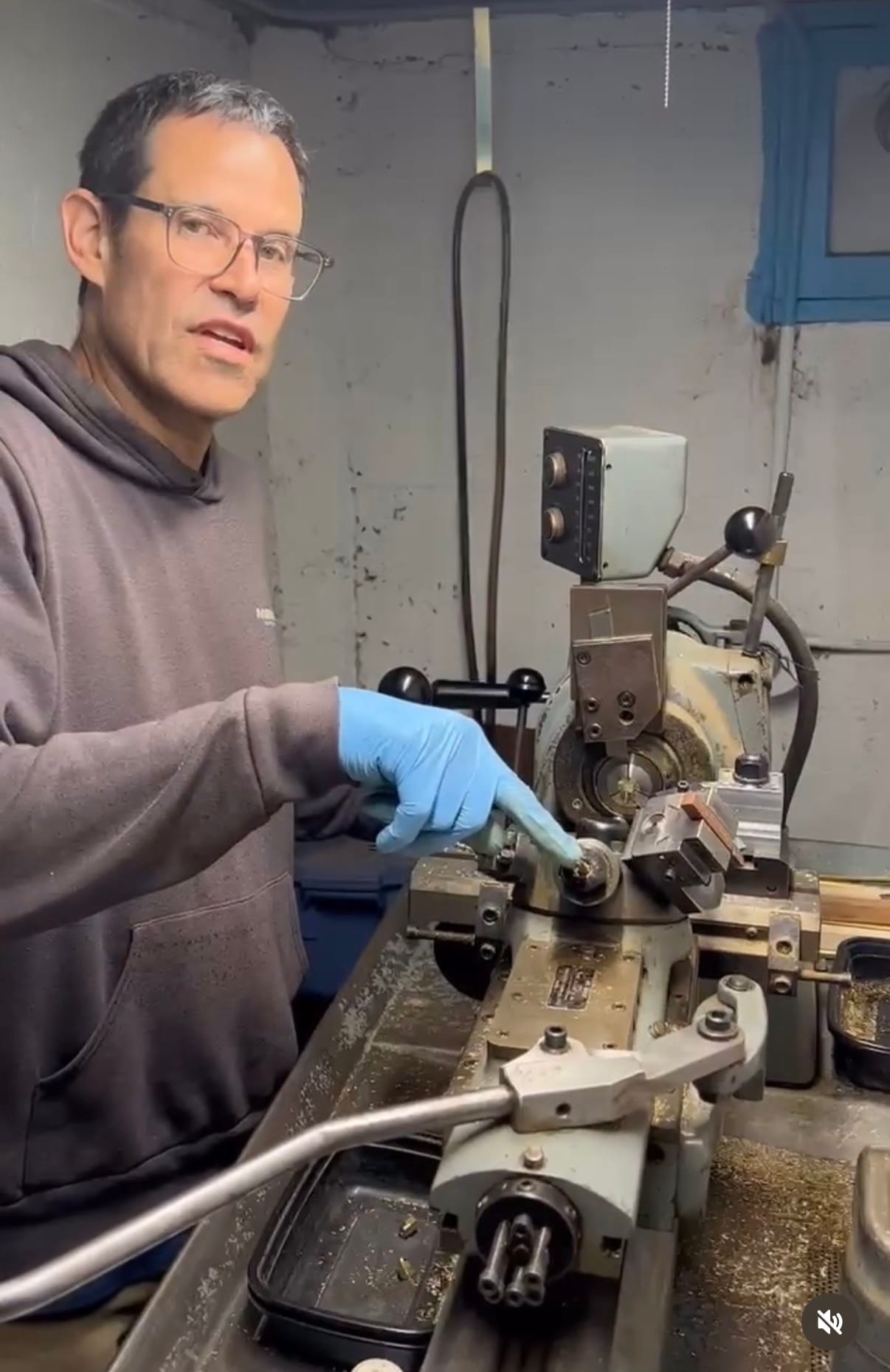
After moving to Portland, Masten found a machinist who could make exact replicas of 1880s hardware. Masten was among the first contemporary makers to bring the construction of the silver-spun rims back into production.
It was also, he admits, nearly the thing that killed his business.
When Masten arrived in Portland in 2005, Pioneer Music store owner KC Wait watched Masten pour enormous amounts of time and labor into the silver-spun-rim banjos. Wait warned him that he was going to run himself into the ground.
Instead of making endless variations, Masten decided to narrow the business to three primary models that could accommodate different types of players. The decision allowed him to make more instruments while keeping the attention to detail that had earned him his reputation.
Today, Masten makes about two or three banjos a month.
“I wanted to make a festival banjo that you could play outside in a small jam,” he said, “and something that could cut through a loud square dance.”
Masten tightened some of the older-style rims. He shortened scale lengths. He made changes designed to help the banjos stay in tune and remain stable.
From picker to producer
Before Masten became a full-time maker, he was a serious player. He knows what an instrument feels like after hours of playing. He understands the difference between something that looks beautiful in a photograph and something that feels right when it is held for an entire evening.
Masten points to three characteristics he considers essential: stability, weight and sound. Durability is also important, especially since some of the musicians Masten encountered have been hard on their equipment.
“They would hop trains,” he said. “And their banjos would get banged up.”
After working with wood since he was 12, Masten’s hands are a bit banged up themselves. He doesn’t really play banjo too often these days, but that doesn’t mean he’s left the music world.
“I feel like it's been a labor of love,” Masten said. “Not something I get rich off of, but something I never get tired of. It’s a great way to stay involved in the banjo community.”
— By Michael Aviña, Star News contributor


